

4 Things Every Scene Needs
Part 1: Scene Basics

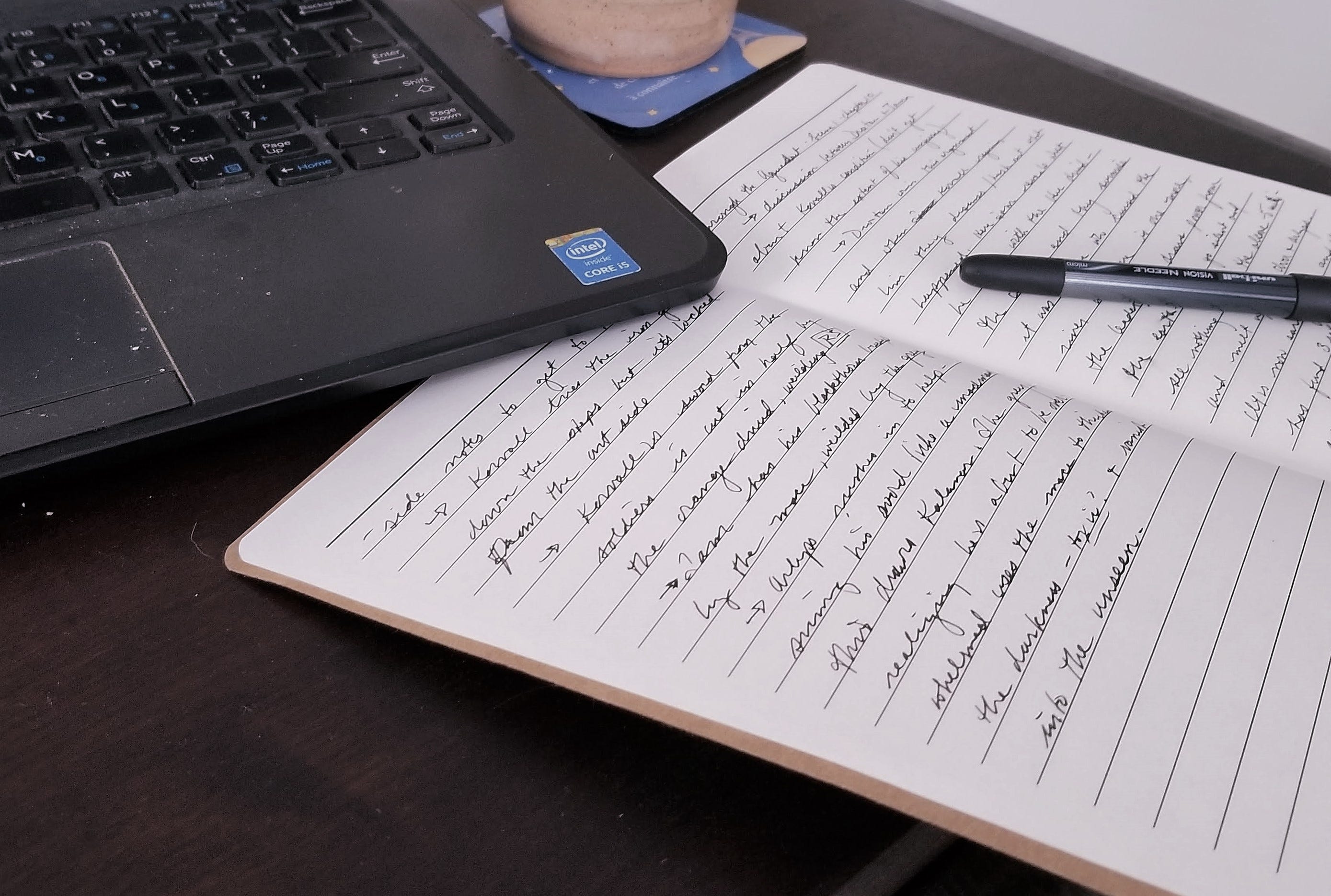
This is the first of a three-part series on scene writing. The next two will cover proactive scenes and what I like to call “breathe scenes.” Whatever the type of scene you’re writing, it should serve your story. Remember that the creative process (planning, drafting, or revising) is cyclical, so you can always go back and
I keep this quotation on an index card at my desk so I remember there is no one absolute way to write a novel. But there are things that can help.
“There are three rules for writing a novel. Unfortunately, no one knows what they are.”
-W. Somerset Maugham
With that out of the way, take this post for what it is: advice from an editor who has read many manuscripts with scenes that don’t always move the plot forward, and a writer who has written so many scenes that go nowhere. These aren’t rules, but by ensuring your scenes have these four things, you will immediately make them better.
1. What is my purpose in this scene?
You could also ask what your character wants in this scene, but I like to frame this with asking why you’re writing it in the first place. If you can’t answer that, you probably don’t need it. If you answer with, “I think it would be a cool scene,” you probably don’t need it.
Establishing a clear purpose gives you direction for what type of scene you need and how to write it (I’ll link the next two parts here when they are published). Are your characters pursuing a lead to get more information? Are two characters on a date and battling wits with words? Has your character just escaped death or won a victory, and now they need a moment? Whatever it is, you need a purpose.
I’ve had clients say they are using this scene to develop character. Revealing a flaw or motivation in your character is always a good thing, but that is never the purpose of your scene; it’s an outcome. Reveal your character by showing what they do in this scene in an attempt to accomplish something, rather than just having them think for three pages. Your scenes need to do more than one thing.
2. Ground the reader.
You can call this setting the scene, if you wish, but what you are doing with that initial scrap of description is grounding your reader in time and place. It is easy to forget that your reader doesn’t see what you see in your mind. They only have your words to go on, and if you give them none, you invite confusion.
Without any description, we don’t know where your characters are when they first appear. We should be following what your character is doing, listening to their internal thoughts, or following a conversation. But instead, our mind is reeling with questions. Are we outside? Which village? When did we get here? Oh, I think we’re inside now. At the palace? No, it’s somewhere else. Ok, I’m lost.
As soon as this happens, you’ve lost your reader. This is a situation easily avoided with a few details. I recommend starting with a wide visual and then narrowing the focus. You don’t need to give us a paragraph, but a phrase tied to your character’s perception. You don’t need to filter it (Adriana saw the…), but allow us to see your character in the place, then zoom in to what they’re doing. With a few carefully chosen sensory details, you will put the reader in the scene with your character. Confusion averted and we are ready for what is about to happen.
3. Clue revealed; seed planted; character arc
Pick at least one of these and work it into each scene. You don’t need all three, but revealing a clue keeps readers engaged. Your characters are learning something, and piece by piece, your plot takes shape. Clues also give your characters goals for future scenes that push the plot forward and keep your reader turning pages.
Planting a seed that will bear fruit later creates that amazing moment when you reveal something near the end, and your reader goes back and sees how you set it all up. By planting these seeds, you make the reveal feel inevitable instead of unearned. Seeds are for the reader; clues are for your characters.
By character arc, I mean including glimpses of growth. Your character doesn’t overcome their flaw or the false belief all at once. Events in your plot, decisions your character makes, realizations they come to, obstacles they overcome, all chip away at whatever is holding them back. So spread those chips out amongst your scenes.
4. Character motivation; flaws/false belief; stakes
Just like number three, pick at least one of these for each scene.
For character motivation, all we need is a reminder of what they want. Show it rather than tell it, if you can. Like theme, it’s always better not to hit the reader over the head with this. But don’t forget that your character’s motivation is why we are reading. This is why we care about them, so it’s good to remind the reader from time to time what’s driving your MC, and it’s probably good for you to keep sight of it too.
Showing your character’s major flaw or having them confront their false belief reminds us what they have to overcome for this story to feel resolved. You can have them react to it in the next scene, revealing character arc as they start to understand the lies they’ve told themselves.
Once in a while, the reader needs to be reminded of what will happen if the character does not achieve their goal. External stakes are important, but what is at stake for your protagonist personally if they fail? It doesn’t always have to be world-ending. You can make stakes matter at a baking contest as long as we’re pulling for your character because we know if that recipe flops, this is it.
I’m not here to give out rules. That first draft makes us all chaotic scribes to some degree. This is why we have beta readers and hire editors. If this helped get you closer to completing that draft, that’s great. Share if you think this will help another writer friend. Thanks for reading.
There is a real art to capturing a big, resonant truth in just a few lines on Notes. Sometimes a brief, sharp observation stays with you much longer than a multi-page essay.
When you have a quiet realization like this, how do you decide if it is meant to stand alone as a quick Note, or if it is the seed of a much larger piece you want to develop later? Do you find that some thoughts are just more powerful when they are left brief and unpolished?